Juicers
How to choose juicers
Power source
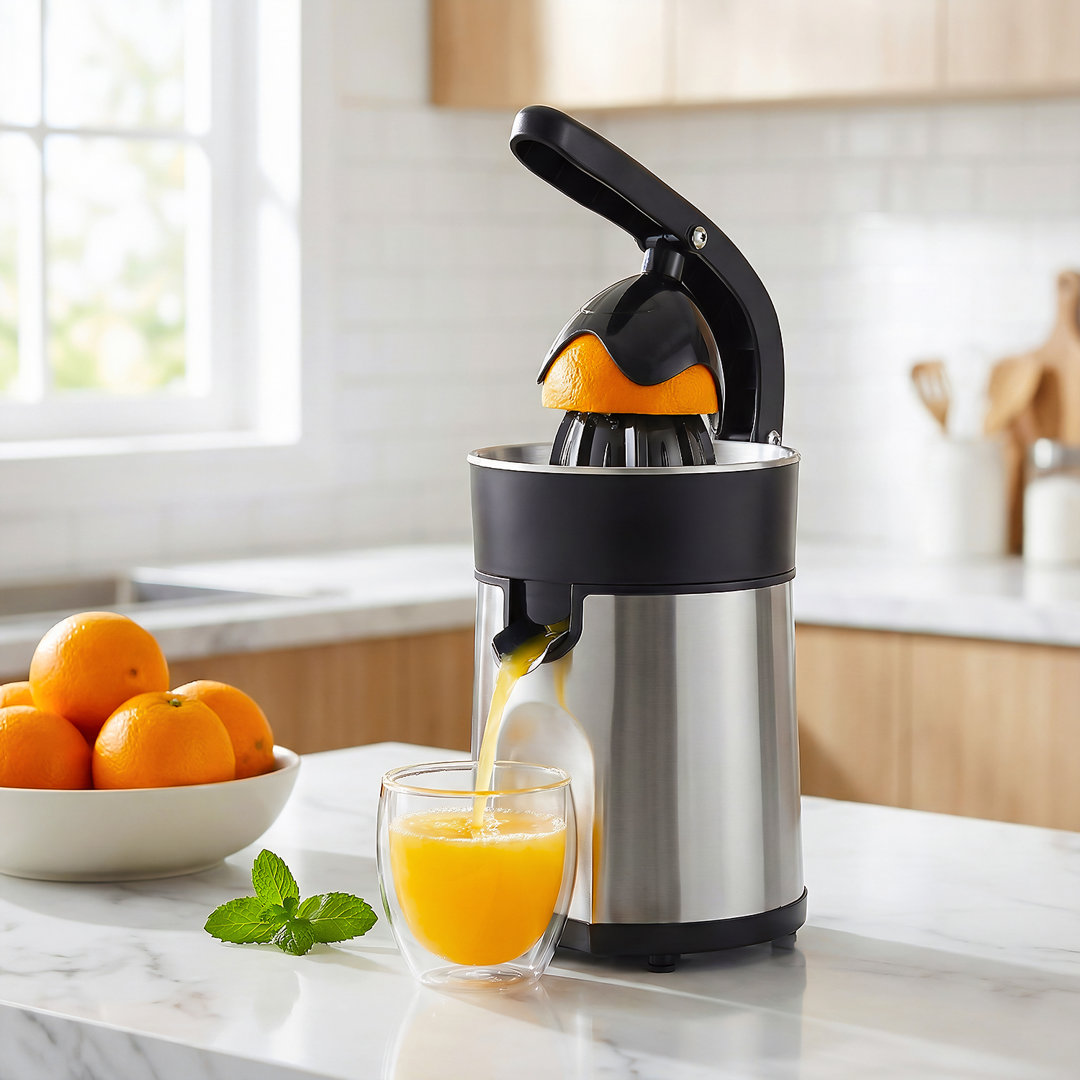
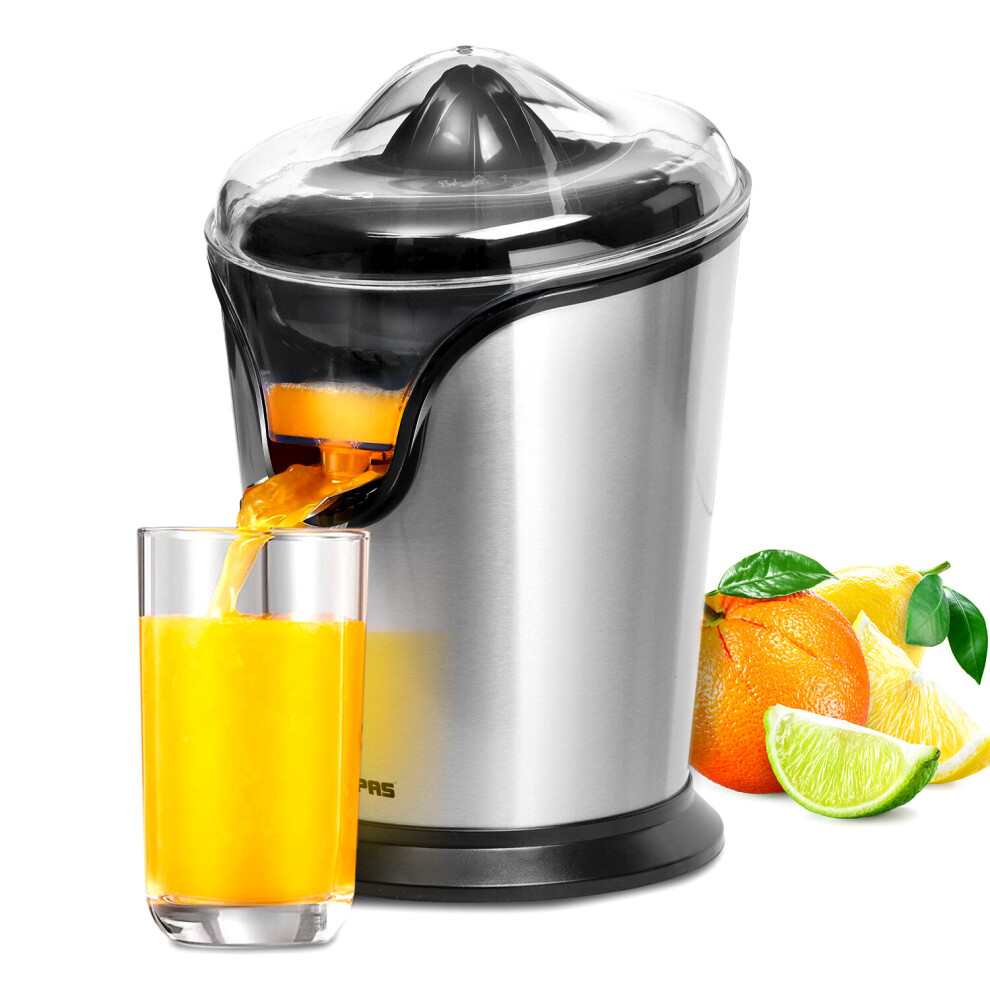
Manual versus electric: manual (Kitchen & Dining, Home & Garden) suits occasional lemon squeezing, electric (Kitchen Appliances) suits daily mixed juices.
Build material
Material choice: wood feels natural but needs oil, stainless steel shrugs off wear, plastic is light yet less durable.
Look and colour
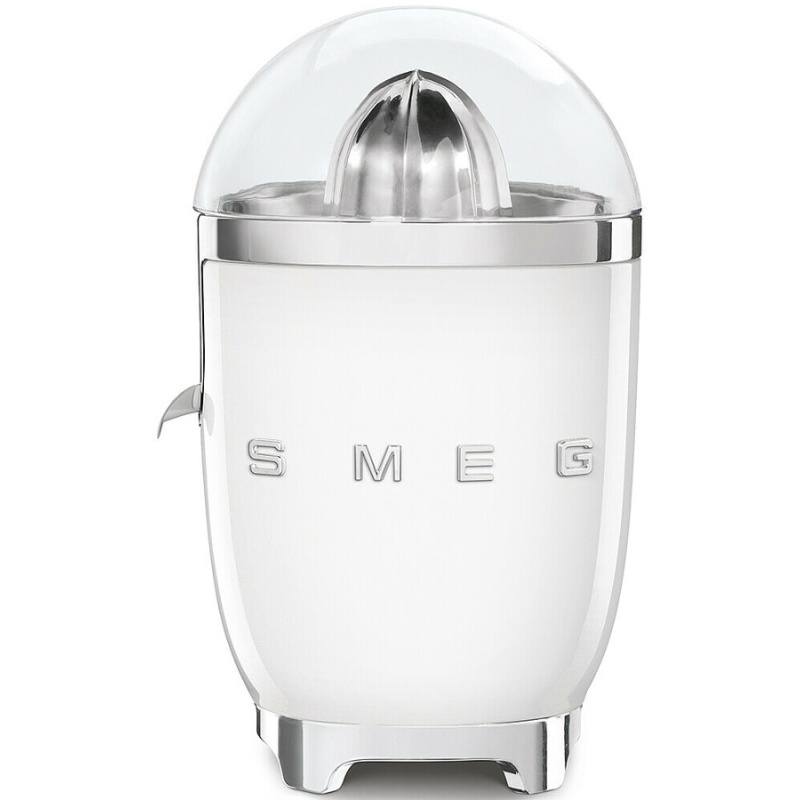
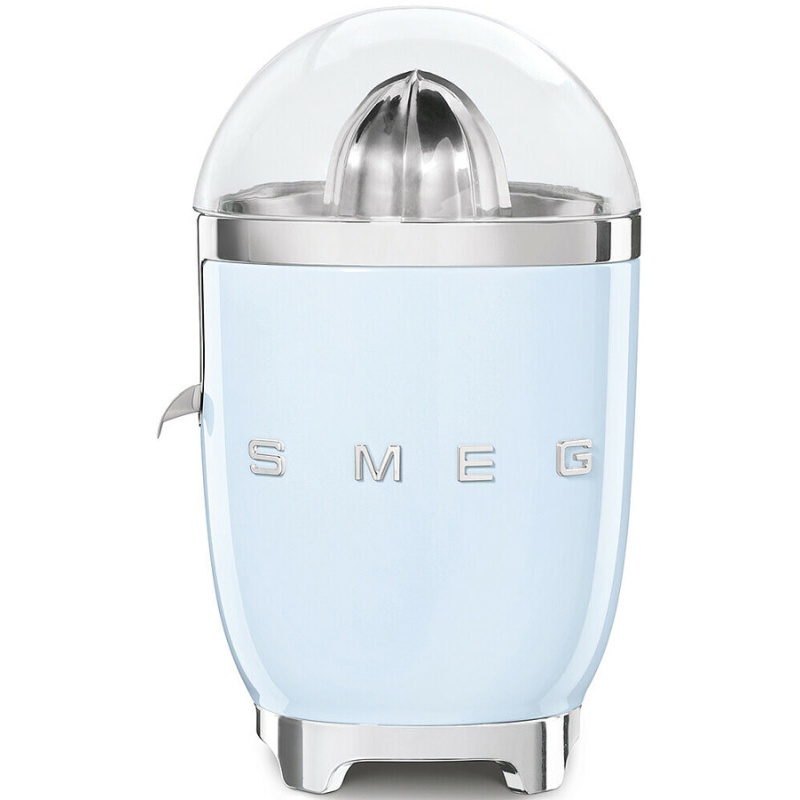
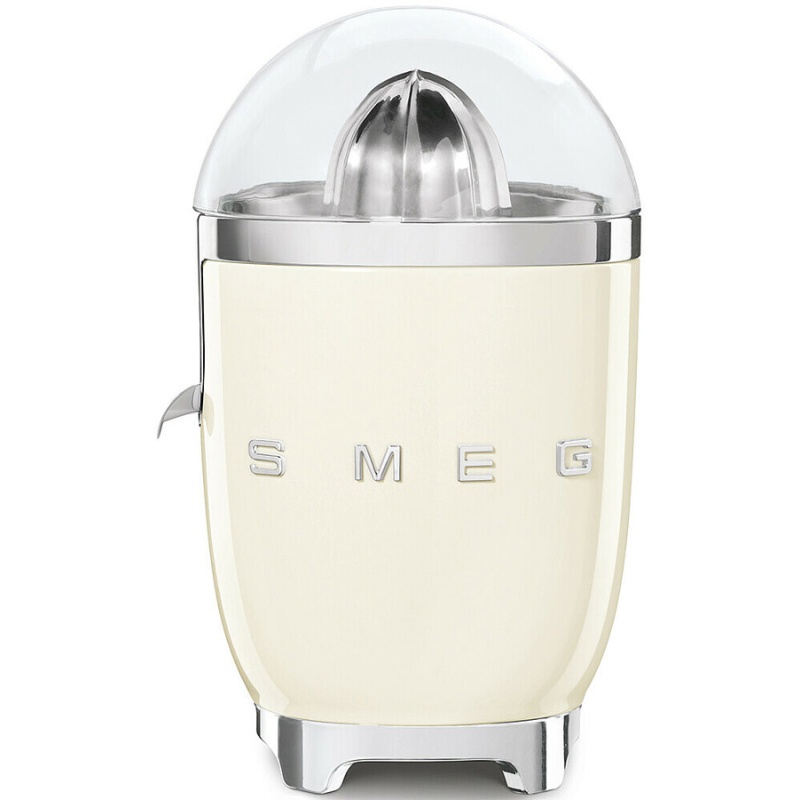
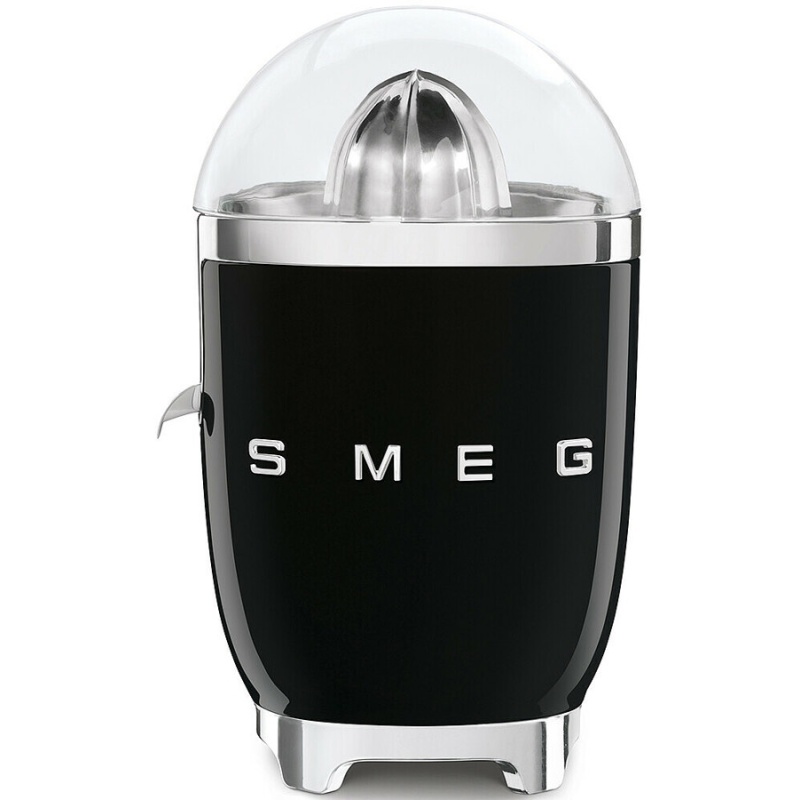
Colour and finish: options include orange, blue, red and more, but some light colours show stains from berry juice.
What you juice
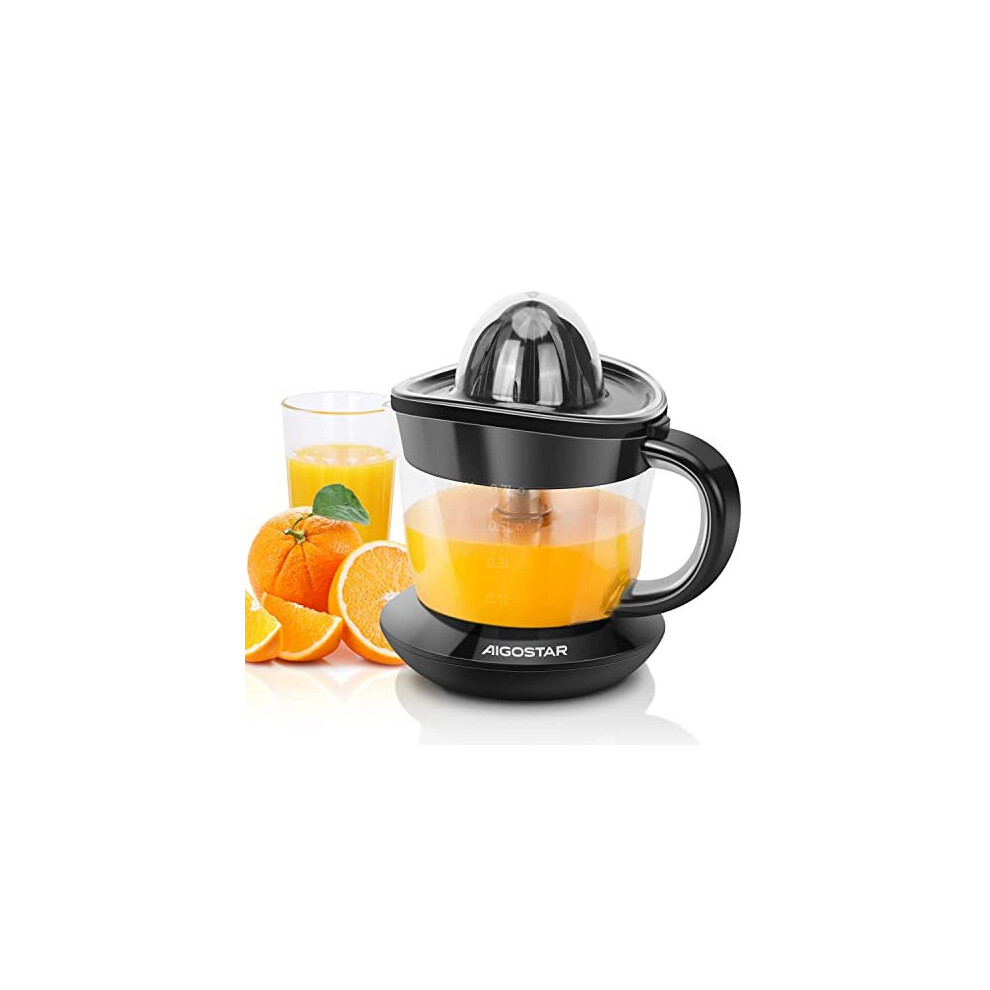
Produce type: if you only want citrus, a small aluminium or steel squeezer is enough, while greens need a masticating tier.
Footprint
Storage space: a cast iron press or centrifugal extractor stays on the counter, a plastic squeezer hides in a drawer.
What's good
- Manual citrus presses in wood or stainless steel need no power and store in a drawer, ideal for quick lemon in a dressing or drink.
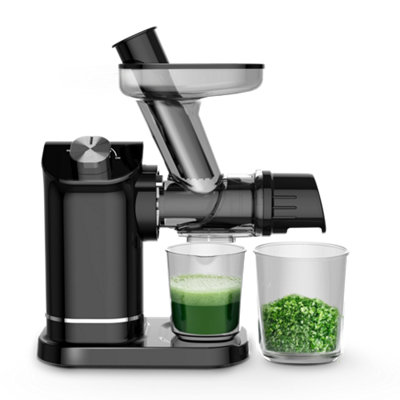
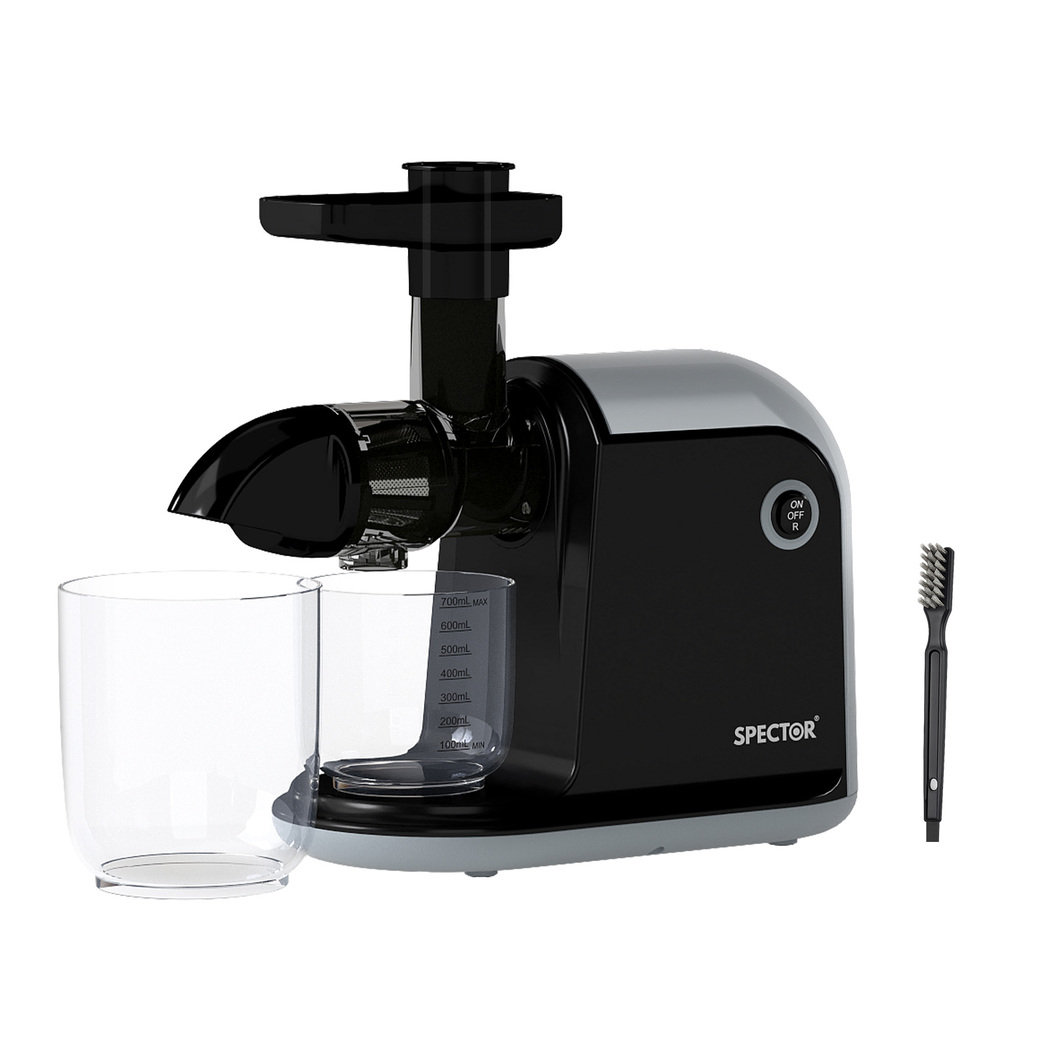
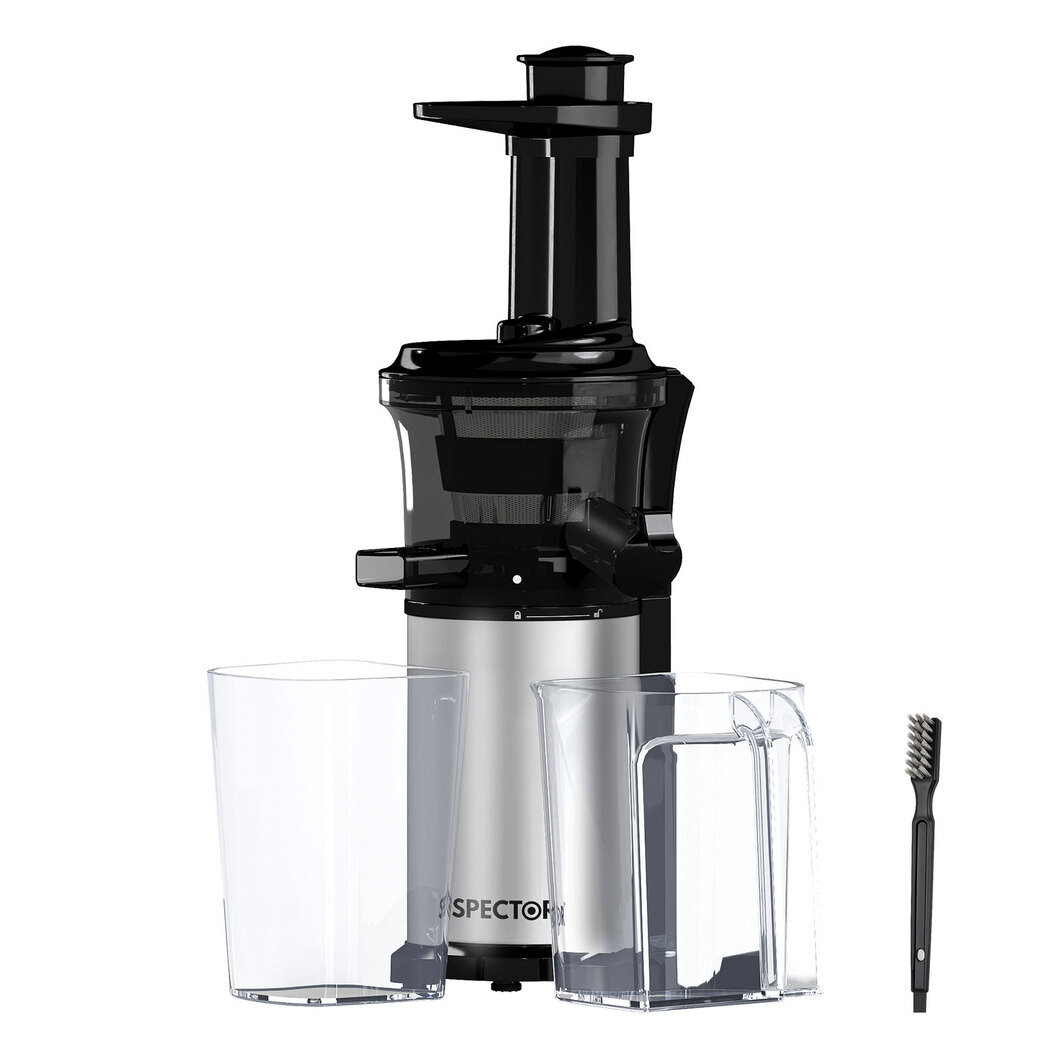
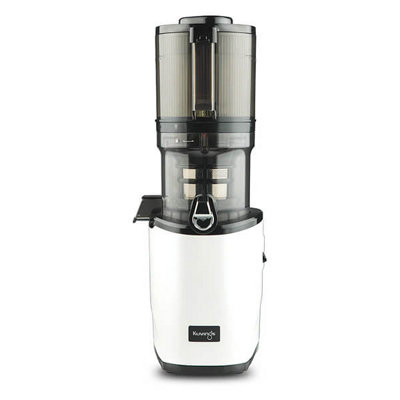
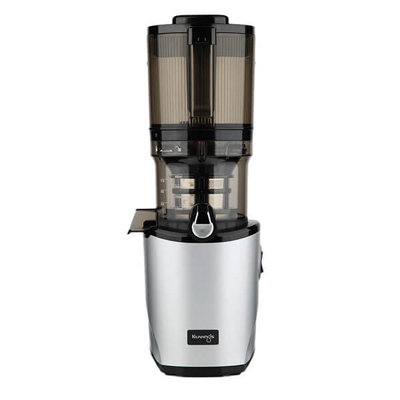
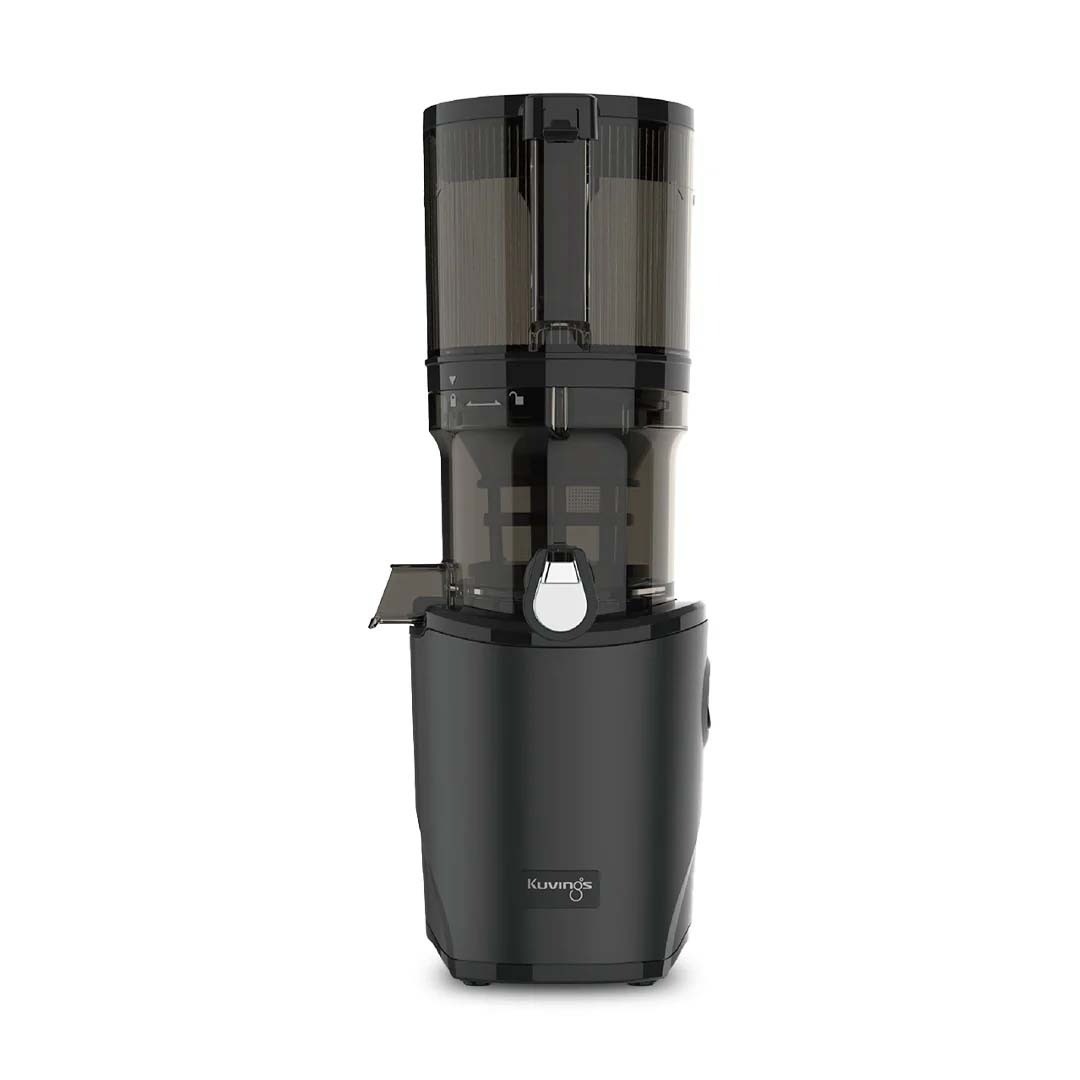
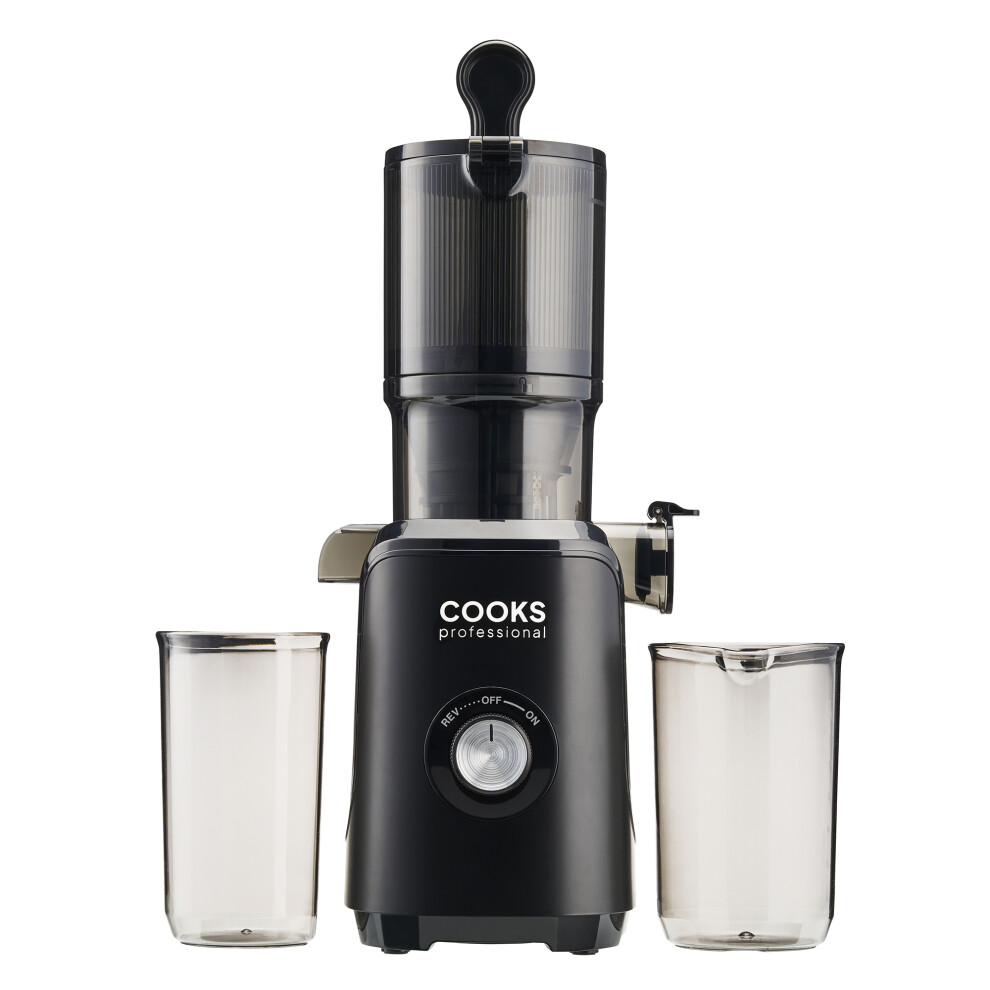
- Slow masticating electric juicers (Kitchen Appliances) pull more juice from kale and soft fruit, good for daily health routines.
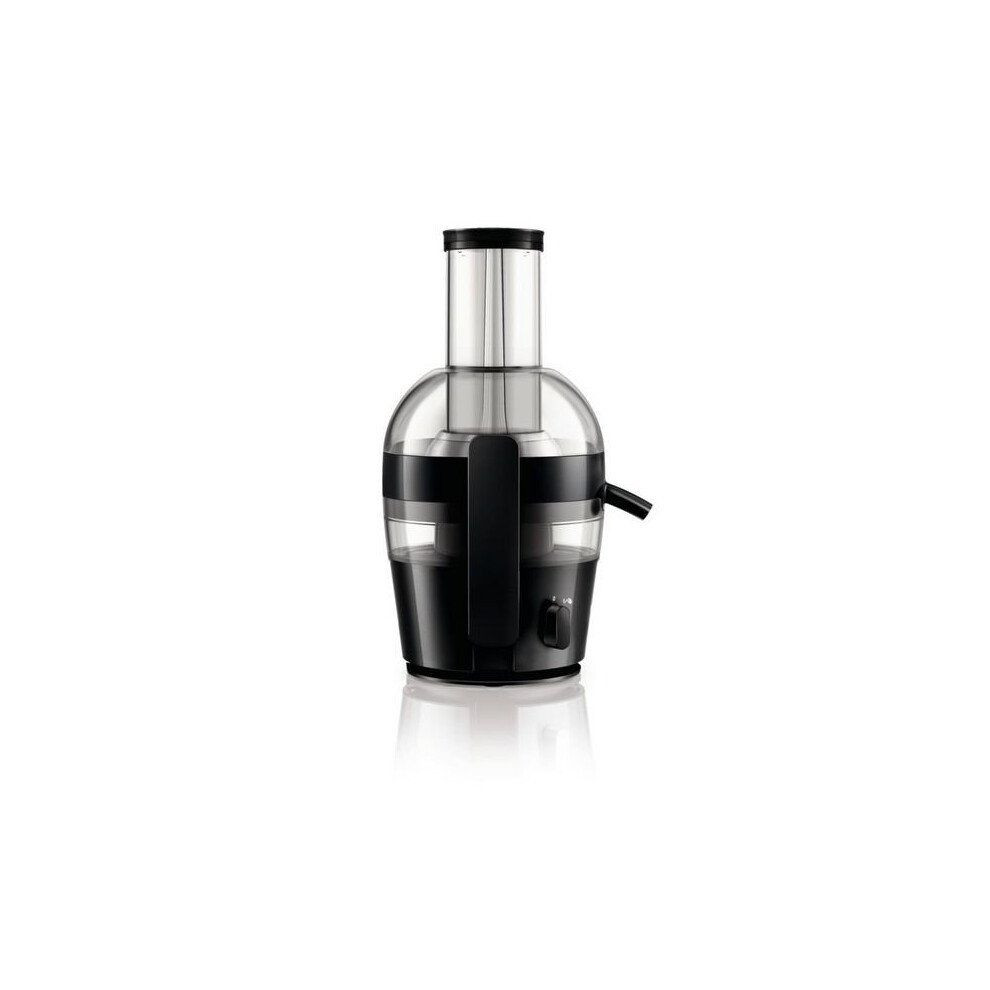
- Centrifugal extractors handle apples and beets fast, fitting hectic breakfasts.
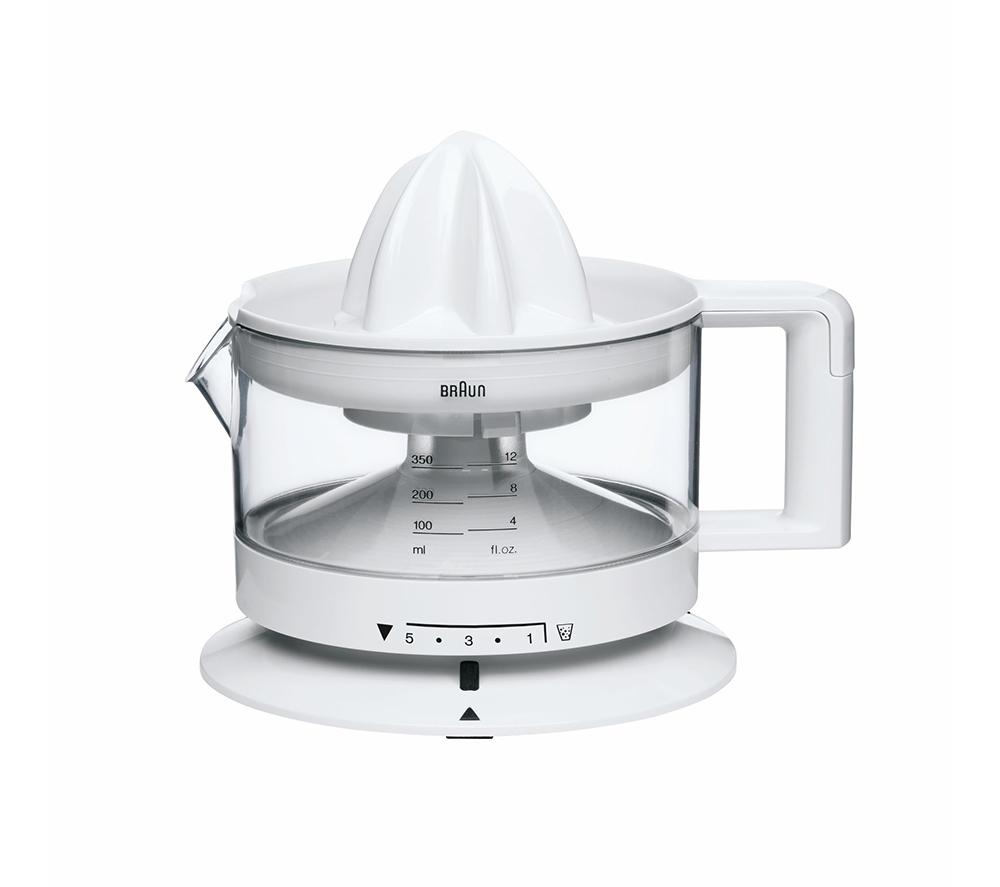
- Across Kitchen Appliances and Kitchen & Dining you can pick orange, pink or grey finishes in wood, steel or ceramic to match your decor.
- Manual squeezers from the Kitchen & Dining sub-type use no electricity and last years if kept dry.
Things to watch
- Manual squeezers only cope with citrus, so they are wrong for anyone wanting carrot or apple juice.
- Slow masticating juicers (Kitchen Appliances) have several attachments and a slower cycle, which tests patience next to centrifugal types.
- Centrifugal extractors are louder and can foam more, not ideal in a quiet flat or early morning routine.
- Wooden presses from Home & Garden or Kitchen & Dining need hand washing, never the dishwasher.
- Electric juicers in the Kitchen Appliances sub-type need a worktop socket and regular cleaning, unlike a small metal squeezer.
Care & maintenance
Wood care
Wooden citrus presses should be rinsed by hand, dried standing up, and oiled with food-safe oil every few weeks.
Metal cleaning
Stainless steel and aluminium squeezers tolerate dishwashers but dry them promptly to avoid spots.
Electric upkeep
Electric masticating and centrifugal juicers need the mesh screen brushed free of pulp after every use.
Fragile and heavy
Ceramic and cast iron items should be stored dry to prevent chips or rust.
Frequently Asked Questions
What should I look for when buying juicers?
When shopping for juicers, consider factors such as quality, price, brand reputation, and customer reviews. Compare prices across multiple retailers to ensure you're getting the best deal. Look for products that match your specific needs and budget.
How do I choose the right juicers?
Choosing the right juicers depends on your individual needs, budget, and preferences. Research different options, read customer reviews, and compare specifications. Consider what features are most important to you and look for products that offer the best value for money.
Where can I find the best deals on juicers?
You can find the best deals on juicers by comparing prices across multiple retailers. Our price comparison tool helps you find the lowest prices from trusted UK retailers including Amazon, eBay, and other major online stores. Check regularly as prices and deals change frequently.
Are juicers products worth the investment?
The value of juicers products depends on your specific needs and how you plan to use them. Quality products from reputable brands often provide better long-term value, even if they cost more initially. Consider your budget and requirements when making your decision.
What's the difference between different types of juicers?
Different types of juicers vary in features, quality, price, and intended use. Some may offer premium features while others focus on affordability. Research the specific differences between models or brands to find the option that best suits your needs and budget.