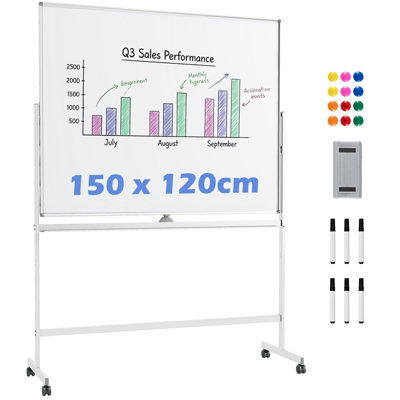
Dry-Erase Boards
How to choose dry-erase boards
Sub-type
First, pick Office Supplies or Presentation Supplies. Office types give larger boards for groups, while presentation types favour personalised home decor.
Material
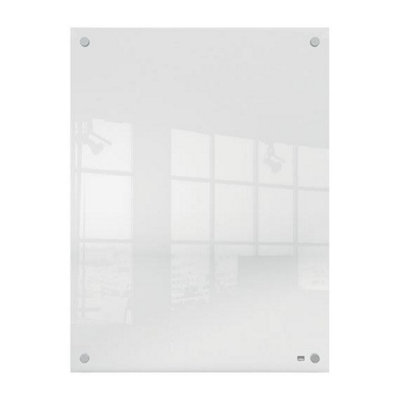
Material drives the tradeoff. Steel or aluminium frames are durable but add weight, acrylic is light and pretty but scratches, wood adds warmth but needs dry care.
Colour
Colour affects where the board fits. White and silver blend into neutral rooms, while brown or yellow stand out in playrooms or kitchens.
Mounting
Think about mounting. Paper files need no tools, but a wood or metal wall board needs anchors suited to your wall.
Personalisation
Personalisation is a split decision. Custom name boards suit gifts and memory keepsakes, yet they are a poor fit for anonymous staff rooms.
What's good
- Personalised acrylic and wooden boards turn a plain planner into a keepsake for home use. They suit families tracking birthdays or goals, not busy offices.
- Standard steel or melamine office boards give a wipe-clean surface that outlasts paper notes. Teams can rewrite daily tasks without buying consumables.
- Paper printable files let renters plan on a wall without drilling holes. You print the size you need and slip it into a dry-erase pocket.
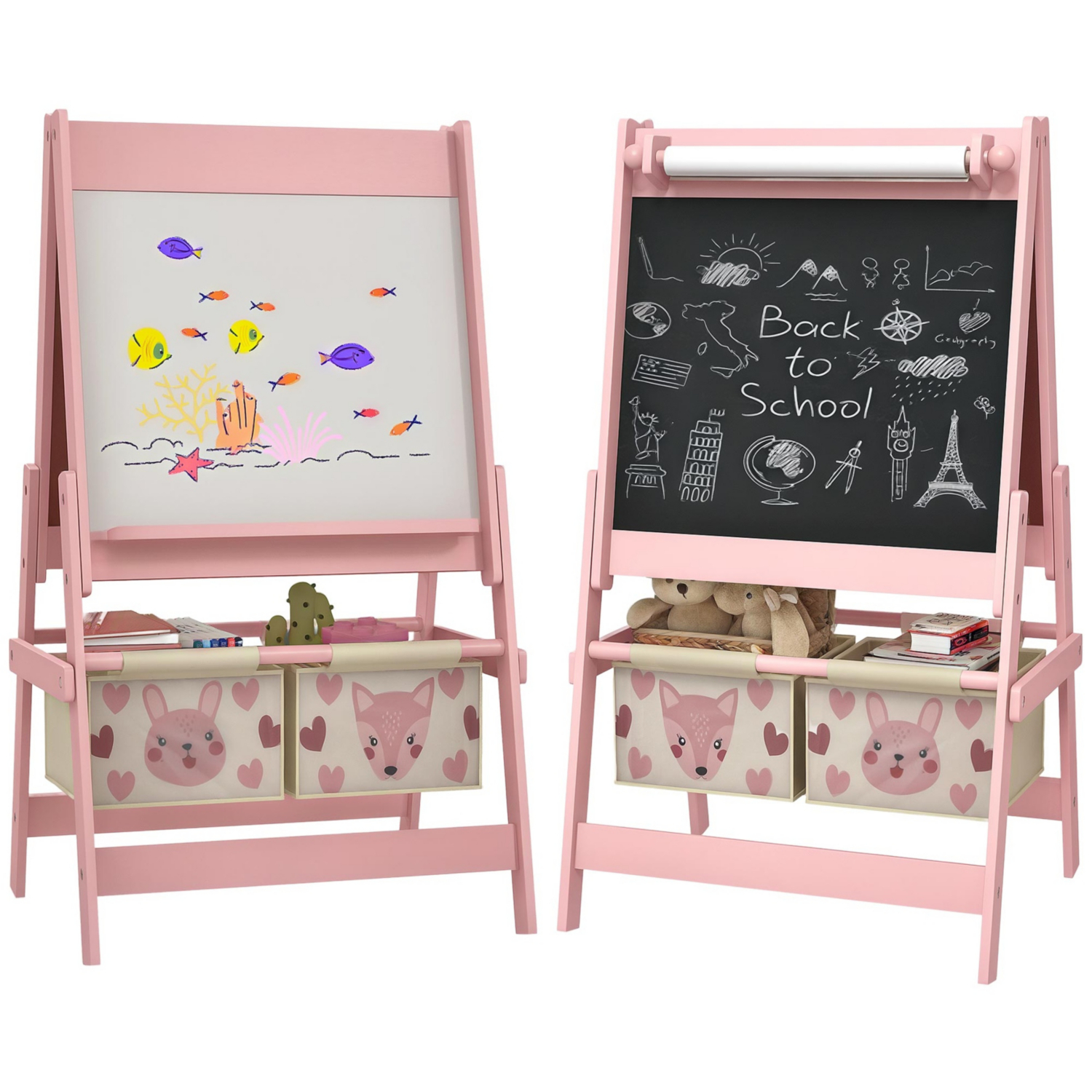
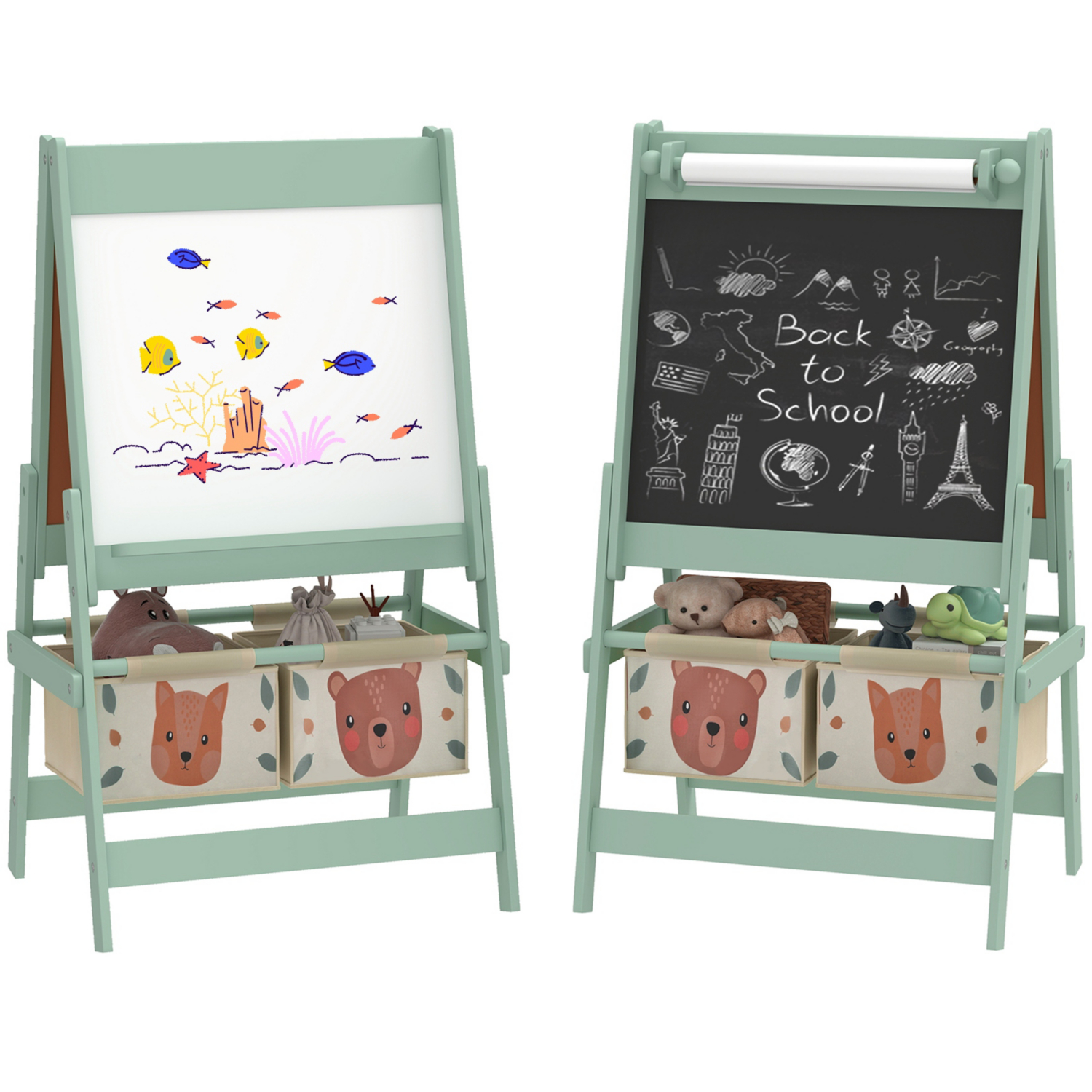
- Coloured boards in blue, pink, or green help children separate subjects or chores. The colour coding works best in low-traffic home corners.
Things to watch
- Small acrylic plaques around 10x15cm fit a name or a single milestone, not a meeting agenda. They are wrong for shared workspaces needing freehand space.
- Paper printables depend on your own printer and a clear sleeve. They are not a solid board you can mount on day one.
- Steel and aluminium wall boards weigh more and need firm fixings. A flimsy partition will not hold a 1200mm wide panel safely.
- Dark surfaces like black or red show faint marker ghosting sooner than white. You will wipe them more often to keep them readable.
Care & maintenance
Wipe after use
Wipe steel and melamine boards with a dry cloth after writing to stop ink settling.
Acrylic care
Use only the soft dry-erase pens on acrylic, as abrasive tips leave permanent scratches.
Wood care
Keep wooden bases away from damp cloths, since water can warp the frame under the sign.
Paper sleeve
Replace the plastic sleeve on paper printables once it clouds, so the surface stays clear.
Frequently Asked Questions
What should I look for when buying dry-erase boards?
When shopping for dry-erase boards, consider factors such as quality, price, brand reputation, and customer reviews. Compare prices across multiple retailers to ensure you're getting the best deal. Look for products that match your specific needs and budget.
How do I choose the right dry-erase boards?
Choosing the right dry-erase boards depends on your individual needs, budget, and preferences. Research different options, read customer reviews, and compare specifications. Consider what features are most important to you and look for products that offer the best value for money.
Where can I find the best deals on dry-erase boards?
You can find the best deals on dry-erase boards by comparing prices across multiple retailers. Our price comparison tool helps you find the lowest prices from trusted UK retailers including Amazon, eBay, and other major online stores. Check regularly as prices and deals change frequently.
Are dry-erase boards products worth the investment?
The value of dry-erase boards products depends on your specific needs and how you plan to use them. Quality products from reputable brands often provide better long-term value, even if they cost more initially. Consider your budget and requirements when making your decision.
What's the difference between different types of dry-erase boards?
Different types of dry-erase boards vary in features, quality, price, and intended use. Some may offer premium features while others focus on affordability. Research the specific differences between models or brands to find the option that best suits your needs and budget.